This page explains aluminium sliding glass door price ranges, profile series, glass options, and installation costs in simple language — so you can understand estimates without confusion. Our website is for information only — we want to give you a clear picture, so making decisions is simple. Prices are market references — actual costs depend on specifications.
💰 Price Range (Reference Only)
₹400 – ₹1,800 per sq.ft
Price varies based on specifications (profile series, glass thickness, hardware type, installation type, location & transport)
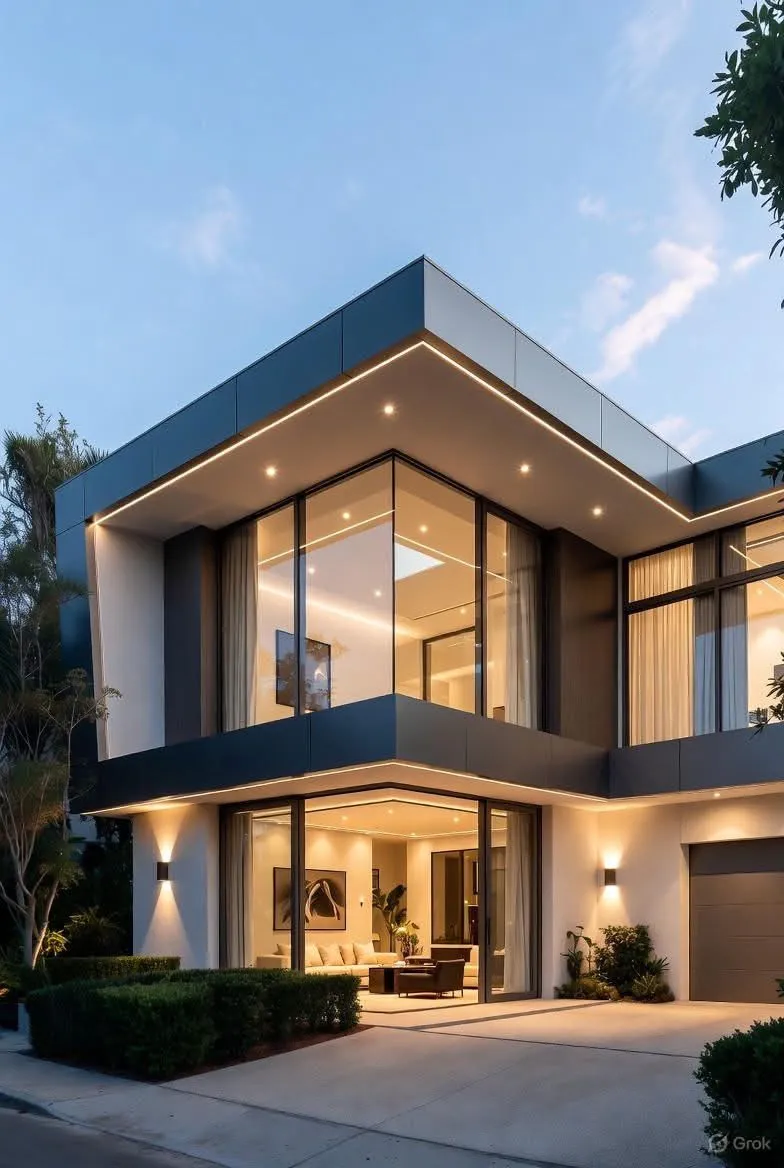
Aluminium sliding glass doors have become popular for Indian balconies because they offer maximum opening space (up to 95%), weather resistance, and low maintenance. Whether you're in Hyderabad, Mumbai, Delhi, or any other city in India, understanding price factors helps you make an informed decision.
What Factors Affect the Price?
The price of aluminium sliding glass doors depends on several factors. If you need a clear estimate, it's important to understand these factors:
- Profile Series: 27mm (₹400-600/sqft), 50mm (₹600-900/sqft), or Slim Profile (₹900-1,400/sqft)
- Glass Thickness: 5mm (base), 8mm (+₹20-30/sqft), 10mm (+₹40-50/sqft), or DGU (+₹180-250/sqft)
- Hardware Type: Standard (included), Premium (+₹2,000-5,000 per door), or Imported (+₹5,000-10,000)
- Installation Type: Professional installation (5-10% of total cost) vs DIY
- Location & Transport: Hyderabad, Mumbai, Delhi NCR, Bangalore — transport costs vary by location
- Custom Size: Non-standard dimensions incur +10-15% extra charge
Real Example Calculation
Example — If you install an 8×7 feet sliding glass door:
- Total Area: 8 × 7 = 56 sq.ft
- Standard Option (50mm profile, 8mm glass): ₹600-900/sqft
- Total Cost: 56 × ₹750 (average) = ₹42,000
- With DGU Upgrade: +₹200/sqft = 56 × ₹200 = +₹11,200
- Final Cost with DGU: ₹42,000 + ₹11,200 = ₹53,200
- With Premium Hardware: +₹3,000 = ₹56,200
Note: This price is a reference. Actual cost depends on your location (Hyderabad, Mumbai, etc.), vendor, and exact specifications.
Why Aluminium Sliding Glass Doors for Balconies?
Aluminium sliding glass doors have become the preferred choice for Indian balconies due to several compelling reasons:
1. Weather Resistance for Indian Climate
India's diverse climate—from coastal humidity in Mumbai to desert heat in Rajasthan—demands materials that can withstand extreme conditions. Aluminium profiles with proper powder coating (PVDF or Polyester) offer:
- Salt Resistance: Marine-grade coating prevents corrosion in coastal areas (Mumbai, Chennai, Goa)
- UV Protection: Advanced powder coating prevents fading even in extreme heat (Rajasthan, Gujarat)
- Monsoon Proof: Waterproof gaskets and drainage systems prevent water ingress during heavy rains
- Dust Protection: Triple-sealed tracks keep dust out in polluted cities (Delhi, NCR)
2. Maximum Opening Space
Unlike traditional hinged doors that take up 30-40% of opening space, sliding doors provide up to 95% opening. This is crucial for:
- Small balconies where every inch matters
- Maximizing natural light and ventilation
- Creating seamless indoor-outdoor living experience
- Emergency exit compliance in high-rise buildings
3. Low Maintenance
Aluminium requires minimal maintenance compared to wood or steel:
- No painting required (powder coating lasts 15-20 years)
- No termite issues (unlike wood)
- No rust (unlike steel)
- Simple cleaning with soap water
Understanding Aluminium Profiles: Technical Deep Dive
Not all aluminium profiles are created equal. Understanding profile specifications is crucial for making the right choice. The profile series you select determines not just the aesthetic appeal but also the structural integrity, glass capacity, and long-term performance of your sliding door system.
Profile selection directly impacts your door's ability to withstand wind loads, support heavy glass panels, and maintain smooth operation over decades. In India's diverse climate conditions, from coastal humidity to desert heat, choosing the right profile series becomes even more critical. The thickness and design of the profile directly affect its load-bearing capacity, thermal performance, and resistance to environmental factors.
Premium profiles use thicker aluminium extrusions with reinforced chambers that provide superior strength while maintaining lightweight properties. These advanced designs incorporate multiple sealing points and drainage channels, ensuring optimal weather protection even in extreme conditions.
Profile Series Explained
27mm Series (Economy Range)
- Thickness: 27mm frame depth
- Glass Capacity: Up to 8mm single glass or 16mm DGU
- Best For: Budget-conscious projects, small openings (up to 6 feet)
- Price Range: ₹400-600/sqft
- Limitations: Not suitable for large spans, limited hardware options
- See Product: 3 Track Sliding Window (27MM Series)
50mm Series (Standard Range)
- Thickness: 50mm frame depth
- Glass Capacity: Up to 10mm single or 22mm DGU
- Best For: Most residential applications, medium to large openings
- Price Range: ₹600-900/sqft
- Advantages: Better structural strength, wider hardware compatibility
- See Product: 2 Track French Sliding Door (50mm Series)
Slim Profile Series (Premium Range)
- Thickness: 16-20mm frame depth (ultra-slim)
- Glass Capacity: Up to 12mm single or 24mm DGU
- Best For: Luxury homes, modern architecture, maximum glass visibility
- Price Range: ₹900-1400/sqft
- Advantages: Minimal frame visibility, premium aesthetics, imported hardware
- See Product: Slimline Aluminium Window | Telescopic Slim Sliding Door
Aluminium Grade: 6063-T6 vs 6061
Most Indian manufacturers use 6063-T6 grade aluminium, which is ideal for windows and doors. However, premium projects may specify 6061 grade for:
- Higher tensile strength (310 MPa vs 290 MPa)
- Better weldability for custom designs
- Superior finish quality
Glass Selection: Making the Right Choice
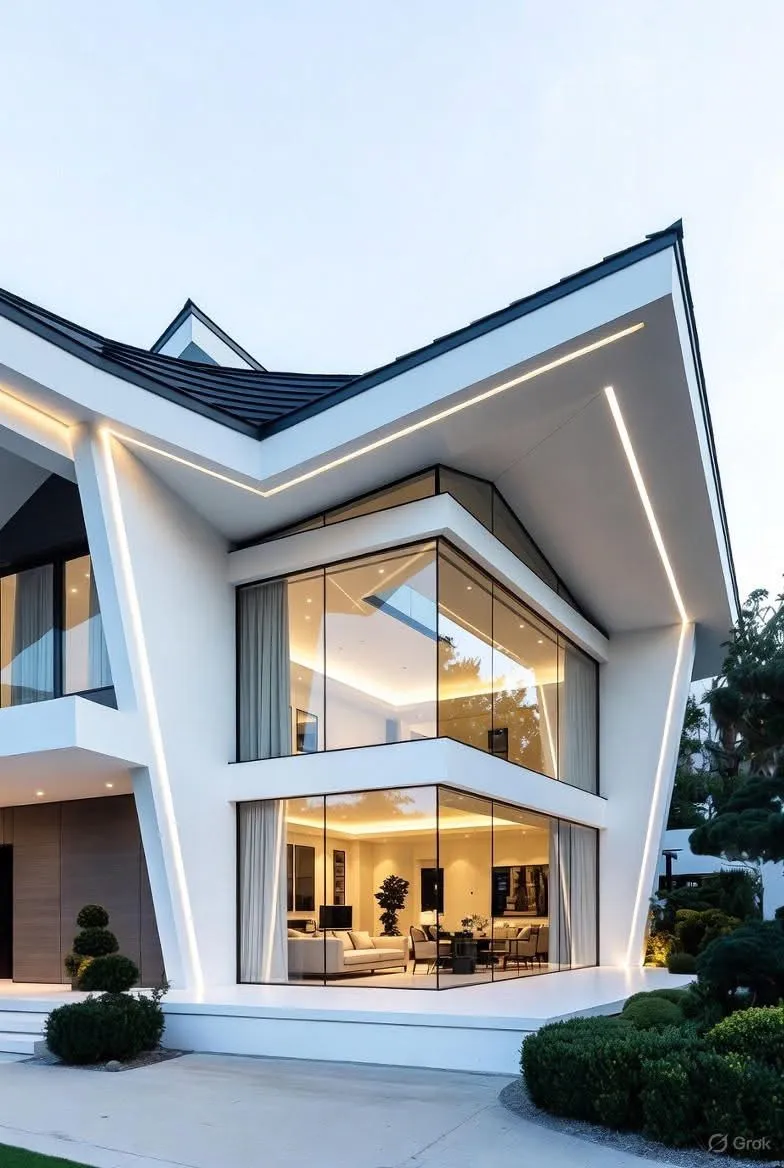
Glass selection is perhaps the most critical decision affecting performance, safety, and cost. The type of glass you choose determines not just the aesthetic appeal but also energy efficiency, sound insulation, safety, and long-term maintenance requirements.
In India's diverse climate, glass selection becomes even more critical. Coastal areas require salt-resistant coatings, while desert regions need UV protection. Urban areas benefit from sound insulation, and high-rise buildings require safety glass for security compliance. The right glass choice can significantly reduce your energy bills while enhancing comfort levels inside your home.
Modern glass technology offers various options including energy-efficient low-E coatings, solar control films, and acoustic laminations. Each option serves specific purposes, and understanding their benefits helps you make an informed decision that aligns with your location, budget, and lifestyle requirements.
Single Glass Options
5mm Clear Toughened Glass
- Use Case: Budget projects, interior partitions
- Price: Base price included
- Limitations: No insulation, breaks easily, not recommended for balconies
8mm Clear Toughened Glass
- Use Case: Standard balcony doors, moderate weather areas
- Price: +₹20-30/sqft
- Advantages: Better strength, suitable for most applications
10mm Clear Toughened Glass
- Use Case: Large openings, high-rise buildings, windy areas
- Price: +₹40-50/sqft
- Advantages: Maximum strength, better sound insulation
Double Glazed Units (DGU): The Smart Choice
DGU consists of two glass panes with an air gap (typically 6mm, 12mm, or 16mm) sealed together. This creates an insulating layer that:
- Reduces Heat Transfer: 40-50% less heat enters in summer, 30-40% less heat escapes in winter
- Sound Insulation: Reduces noise by 30-40 decibels (crucial for city apartments)
- Energy Savings: Can reduce AC bills by 20-30%
- Condensation Prevention: Inner pane stays warm, preventing fogging
DGU Configurations:
- 6+6+6 (18mm DGU): Standard insulation, ₹180-200/sqft extra
- 6+12+6 (24mm DGU): Enhanced insulation, ₹200-220/sqft extra
- 6+16+6 (28mm DGU): Maximum insulation, ₹220-250/sqft extra
Laminated Glass: Safety First
Laminated glass consists of two glass panes bonded with PVB (Polyvinyl Butyral) interlayer. When broken, glass pieces stick to the interlayer, preventing injury.
- Safety Rating: Meets IS 2553 safety standards
- Use Case: High-rise buildings, homes with children, security concerns
- Price: +₹200-250/sqft
- Bonus: Also provides sound insulation (similar to DGU)
Hardware Selection: The Unsung Hero
Hardware quality determines door performance, longevity, and user experience. Here's what to look for:
Roller Systems
- Standard Rollers: Basic functionality, suitable for light doors, ₹500-800 per set
- Heavy-Duty Rollers: For large doors (8+ feet), weight capacity 150-200kg, ₹1,200-1,800 per set
- Silent Rollers: Nylon wheels with ball bearings, smooth operation, ₹1,500-2,500 per set
- Soft-Close Rollers: Automatic closing mechanism, premium feel, ₹2,000-3,000 per set
Locking Systems
- Single-Point Lock: Basic security, ₹500-800
- Multi-Point Lock: 3-5 locking points, enhanced security, ₹1,000-1,500
- Mortice Lock: Premium security, key-operated, ₹1,500-2,500
Handles and Accessories
- Standard Handle: Basic functionality, included in base price
- Premium Handle: Imported, ergonomic design, ₹800-1,500
- Child Lock: Safety feature for families, ₹300-500
- Fly Screen: Optional mesh for insect protection, ₹100-150/sqft
Installation: Professional vs DIY
While DIY installation might seem cost-effective, professional installation is crucial for:
Professional installation ensures proper leveling, sealing, and hardware alignment. Improper installation can lead to water leakage, air infiltration, operational issues, and even safety hazards. Most manufacturers void warranty for DIY installations, making professional installation a wise investment.
Why Professional Installation Matters
- Leveling: Improper leveling causes doors to stick, drag, or not close properly
- Sealing: Improper sealing leads to water leakage, air infiltration, and energy loss
- Hardware Alignment: Misaligned hardware causes premature wear and operational issues
- Safety: Large glass panes require proper handling and securing
- Warranty: Most manufacturers void warranty for DIY installations
Installation Process (Professional)
- Site Measurement: Precise measurements (within 2mm tolerance)
- Frame Fixing: Anchor bolts at 300mm intervals, proper leveling
- Glass Installation: Rubber gaskets, proper spacing, shims for alignment
- Hardware Fitting: Rollers, locks, handles properly aligned
- Sealing: Silicone sealant for weatherproofing
- Testing: Smooth operation, proper locking, no air/water leakage
Price Range Overview
Aluminium sliding glass door ka price range aapke selection par depend karta hai. Hyderabad, Mumbai, Delhi NCR, Bangalore aur India ke kai cities me is specification par price range similar hota hai — bas transport cost location ke hisaab se change hota hai.
Base Cost Components
- Aluminium Frame: 40-50% of total cost
- Glass: 30-40% of total cost
- Hardware: 10-15% of total cost
- Installation: 5-10% of total cost
Price Ranges (Per Square Foot)
- Economy (27mm, 8mm glass): ₹400-600/sqft
- Standard (50mm, 8mm glass): ₹600-900/sqft
- Premium (Slim profile, 10mm glass): ₹900-1,200/sqft
- Luxury (Slim profile, DGU, premium hardware): ₹1,200-1,800/sqft
Additional Costs to Consider
- DGU Upgrade: +₹180-250/sqft
- Laminated Glass: +₹200-250/sqft
- Premium Hardware: +₹2,000-5,000 per door
- Custom Size: +10-15% for non-standard dimensions
- Site Preparation: ₹2,000-5,000 (if needed)
Maintenance: Keeping Your Door Like New
Regular maintenance is essential for keeping your aluminium sliding glass door in optimal condition. Proper care extends lifespan, maintains smooth operation, and preserves the aesthetic appeal of your investment.
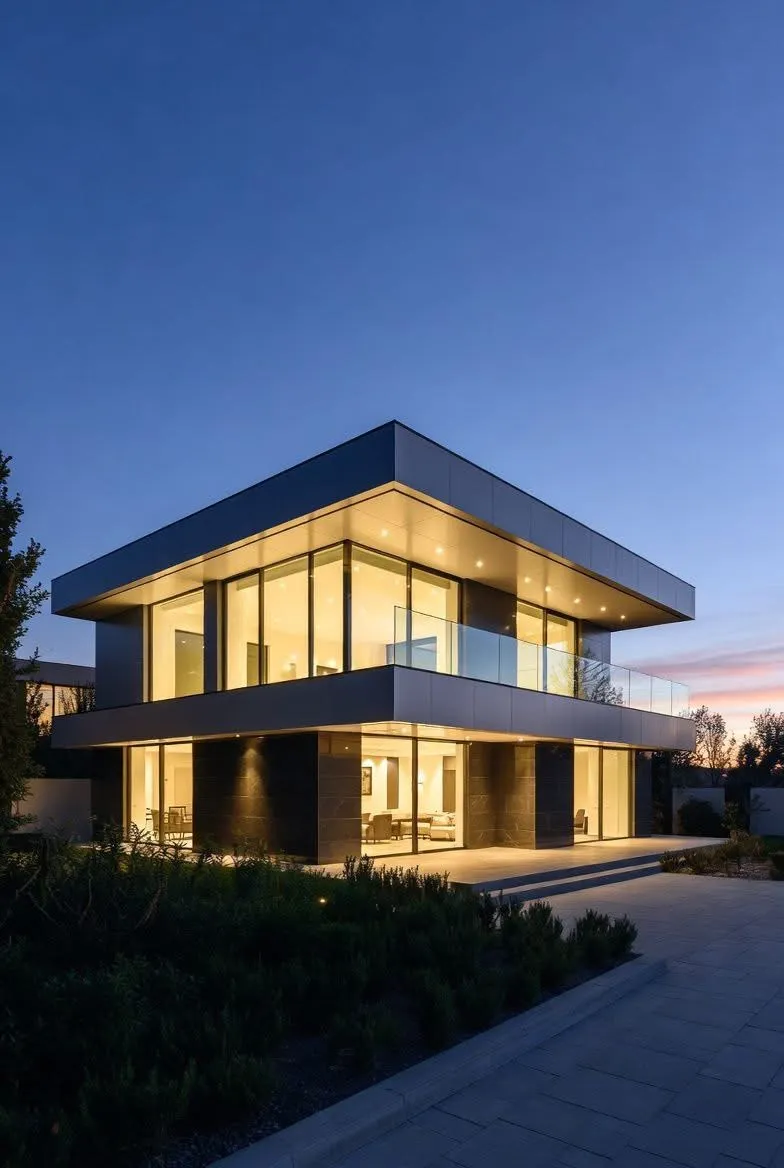
Maintenance requirements for aluminium doors are minimal compared to wood or steel, but regular attention ensures decades of trouble-free operation. Simple monthly cleaning and annual professional service can prevent costly repairs and replacements. For folding doors and frameless partitions, similar maintenance principles apply.
Regular Maintenance (Monthly)
- Cleaning: Use mild soap solution, avoid abrasive cleaners
- Track Cleaning: Remove debris from bottom track, vacuum if needed
- Hardware Check: Ensure smooth operation, tighten loose screws
Annual Maintenance
- Lubrication: Apply silicone spray to rollers and tracks
- Gasket Inspection: Check for cracks or wear, replace if needed
- Hardware Service: Professional inspection and adjustment
- Glass Cleaning: Professional cleaning for streak-free finish
Common Issues and Solutions
- Door Sticking: Usually track debris or misalignment - clean track, adjust rollers
- Hard to Slide: Rollers may need lubrication or replacement
- Water Leakage: Check gaskets, may need replacement or resealing
- Noisy Operation: Lubricate rollers, check for loose hardware
Common Mistakes to Avoid
Avoiding common mistakes can save you thousands of rupees and prevent long-term issues. Many homeowners make decisions based on initial cost without considering long-term implications, leading to premature replacements and costly repairs.
Understanding these common pitfalls helps you make informed decisions. From profile selection to glass choice, hardware quality to installation, each decision impacts performance, longevity, and total cost of ownership. Learning from others' mistakes is the smart approach.
- Choosing Wrong Profile: Using 27mm for large openings (8+ feet) leads to sagging
- Skimping on Glass: Using 5mm glass for balconies compromises safety and insulation
- Ignoring Hardware Quality: Cheap hardware fails within 2-3 years
- Improper Installation: DIY or unprofessional installation causes long-term issues
- Not Considering Climate: Single glass in extreme heat/cold areas increases energy costs
- Ignoring Maintenance: Lack of maintenance reduces lifespan by 30-40%
Common FAQs
1. How is aluminium sliding glass door price calculated?
To calculate price: (Width × Height in sq.ft) × Price per sq.ft. Example: 8×7 feet = 56 sq.ft. If price is ₹750/sq.ft, then total = 56 × ₹750 = ₹42,000. Glass upgrades, hardware, and installation costs are added to this.
2. What is the price difference between local fabricator and branded products?
Local fabricator prices can be 15-25% lower, but there may be differences in quality and warranty. Branded products offer better hardware, consistent quality, and warranty. Final decision depends on your budget and requirements.
3. Which glass is best — Single, DGU, or Laminated?
Single glass (8mm) is budget-friendly but provides no insulation. DGU glass is energy-efficient (reduces AC bills by 20-30%) and provides sound insulation — ideal for city apartments. Laminated glass is best for safety (high-rise buildings, homes with children).
4. What is the maintenance cost?
Aluminium door maintenance is minimal — monthly cleaning (soap water), track cleaning, and annual lubrication. Professional service costs ₹2,000-3,000 per year. Maintenance costs are much lower compared to wood or steel.
5. Is there a price difference in Hyderabad, Mumbai, and Delhi?
Base prices are similar, but transport costs vary by location. Transport costs may be higher in Mumbai and Delhi NCR. You can save on transport costs by purchasing directly from local vendors.
6. DIY installation vs Professional — which is better?
Professional installation is recommended because improper installation can cause water leakage, operational issues, and void warranty. Professional installation costs 5-10%, but prevents long-term problems.
Conclusion: Making the Right Choice
When choosing an aluminium sliding glass door, it's important to balance budget, performance, and aesthetics. This guide covers profiles, glass types, hardware, installation, maintenance, and cost factors — so you can make an informed decision.
Remember that a balcony door is a long-term investment. Initial cost is important, but also consider total cost of ownership (maintenance, energy savings, lifespan). A well-chosen door can increase your home's value, reduce energy costs, and provide decades of trouble-free operation.
Key takeaways:
- Invest in quality profiles (50mm or slim) for long-term performance
- Choose DGU glass for energy efficiency and comfort
- Don't compromise on hardware quality
- Professional installation is always better
- Regular maintenance can significantly extend lifespan
Price Calculate Karna Ho To
If you need help understanding prices, discuss with your local vendor. Our website also has a free calculator available — View Free Calculator.
👉 Also read: Sliding vs Folding Door Difference | Aluminium Sliding Window Price Guide